
Find your boiler's fault code
A fault code points to a likely faulty component, and the part depends on your boiler's make and model range.
Browse boiler brands →BoilerPart helps homeowners, landlords and Gas Safe registered engineers work out which component has failed and what happens next.
Explore the fault code guides and parts articlesWhether you've got a fault code on the display, a part number in hand, or neither yet, there's somewhere to begin.
A fault code points to a likely faulty component, and the part depends on your boiler's make and model range.
Browse boiler brands →Guides work through specific components by model and symptom, so you order the right part number.
View guides →Some repairs are legally restricted to a Gas Safe registered engineer, and it's worth knowing which side of that line you're on before you start.
Read the rules →A fault code on a boiler's display is the appliance telling you where to look, not a finished diagnosis. Turning that code into a part you can actually order, fitted the way the law requires, is a short chain of steps.
The same digits can point to a different part depending on the boiler in front of you, so a code only means something once it is checked against the make and model it came from. That narrows the search from a general fault down to the specific component that is most likely behind it, and from there to the part number that matches that component on that model range.
Not everything behind a boiler casing is a job for the person who owns the boiler. Where a part sits on the gas side of the appliance, or the repair means breaking into the gas line, that work has to be carried out by a Gas Safe registered engineer, and it is worth knowing that before a part is ordered. The line between what can be done yourself and what cannot is set out on the Gas Safe rules page, and it is worth reading against your specific fault before you pick up a spanner.
Once the component and the legal boundary are both clear, what is left is sourcing the part from somewhere that actually holds stock of it. Brand and model pages group that information together, so a search that starts with a fault code can end at the specific fitting guide and supplier options for that boiler, without the reader having to piece it together from separate manuals. Anyone who arrives without a fault code in hand can start from the boiler brands section instead and work forward from the model, or browse the guides library for the component or symptom already in front of them.
Ideal, Worcester Bosch, Baxi, Vaillant and Viessmann each use their own fault codes and part numbers, so the guide you need depends on the model range you're looking at.
Error codes across the Ideal Logic and Logic+ ranges, and the component each one usually points to.
View Ideal guide →Greenstar error codes explained, model range by model range, with the likely faulty part named.
View Worcester Bosch guide →Error codes, the parts behind them, and the fixes that apply to the Baxi 200 and 400 ranges.
View Baxi guide →Written by brand and model range, so the code and the part number match your boiler.
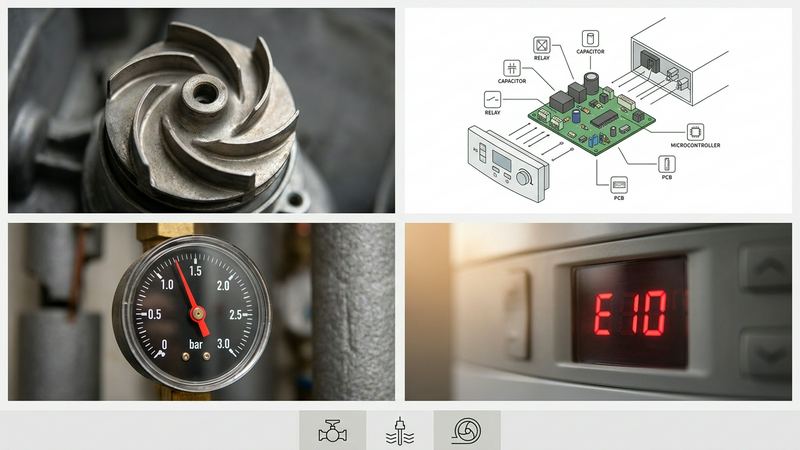
Every Ideal Logic and Logic+ fault code explained: what each code means, which component is likely at fault, and where to source the replacement part.
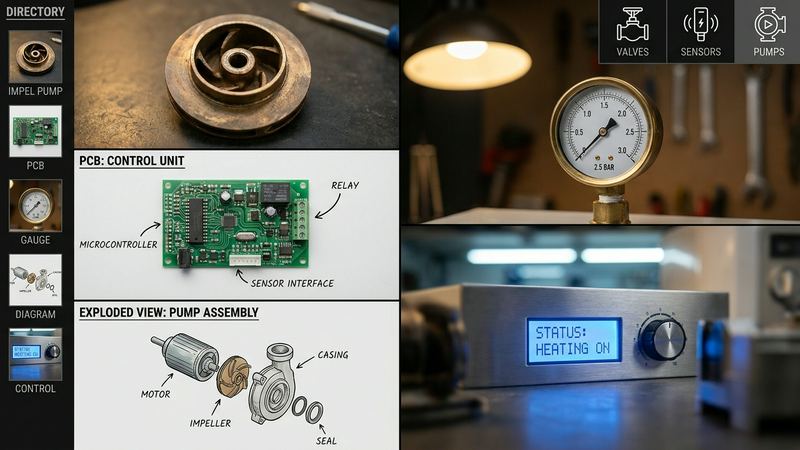
Worcester Bosch Greenstar fault codes decoded: each error's meaning, the component most likely at fault, OEM part numbers, and Gas Safe requirements.
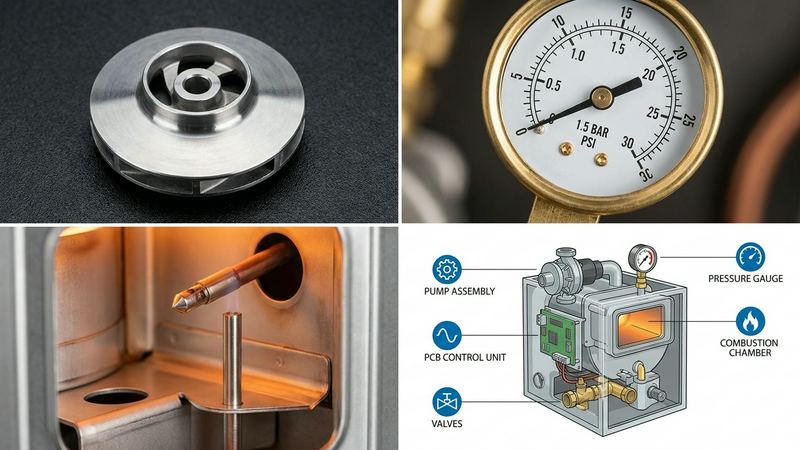
Baxi 200 and 400 series fault codes explained: what each code means, the component most likely responsible, and whether replacement is DIY or Gas Safe restricted.
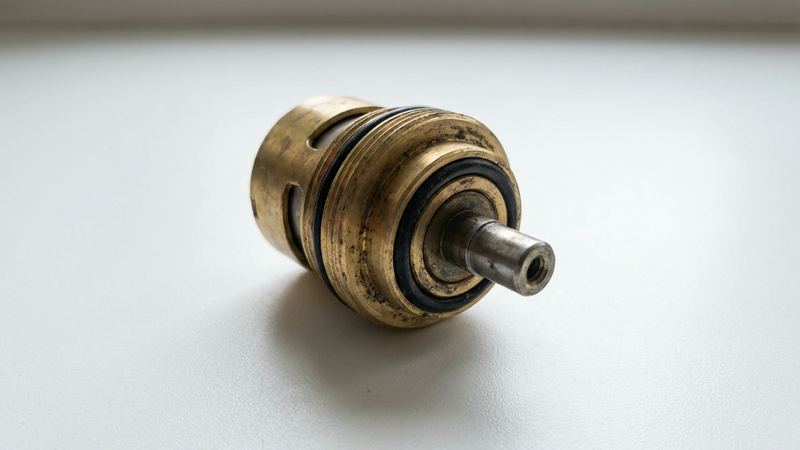
How to identify a failed boiler diverter valve, find the right replacement part for your boiler model, and understand when the job needs a Gas Safe engineer.
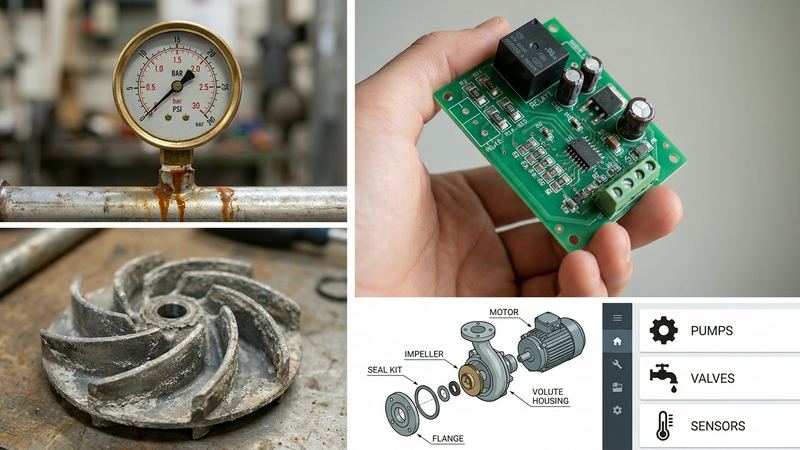
How to identify a failed boiler PCB, find the correct replacement board for your model, and understand the Gas Safe and electrical safety requirements.
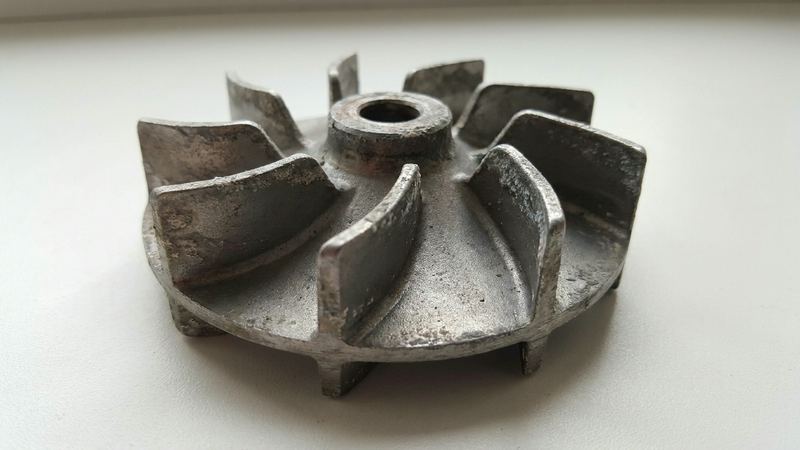
How to check, recharge, and replace a boiler expansion vessel — one of the few boiler components a competent homeowner can service without Gas Safe registration.
Read up on your boiler's fault code and the component behind it before you go looking for the part itself.